How to Keep Mosquitoes Away at Night: What Actually Helps
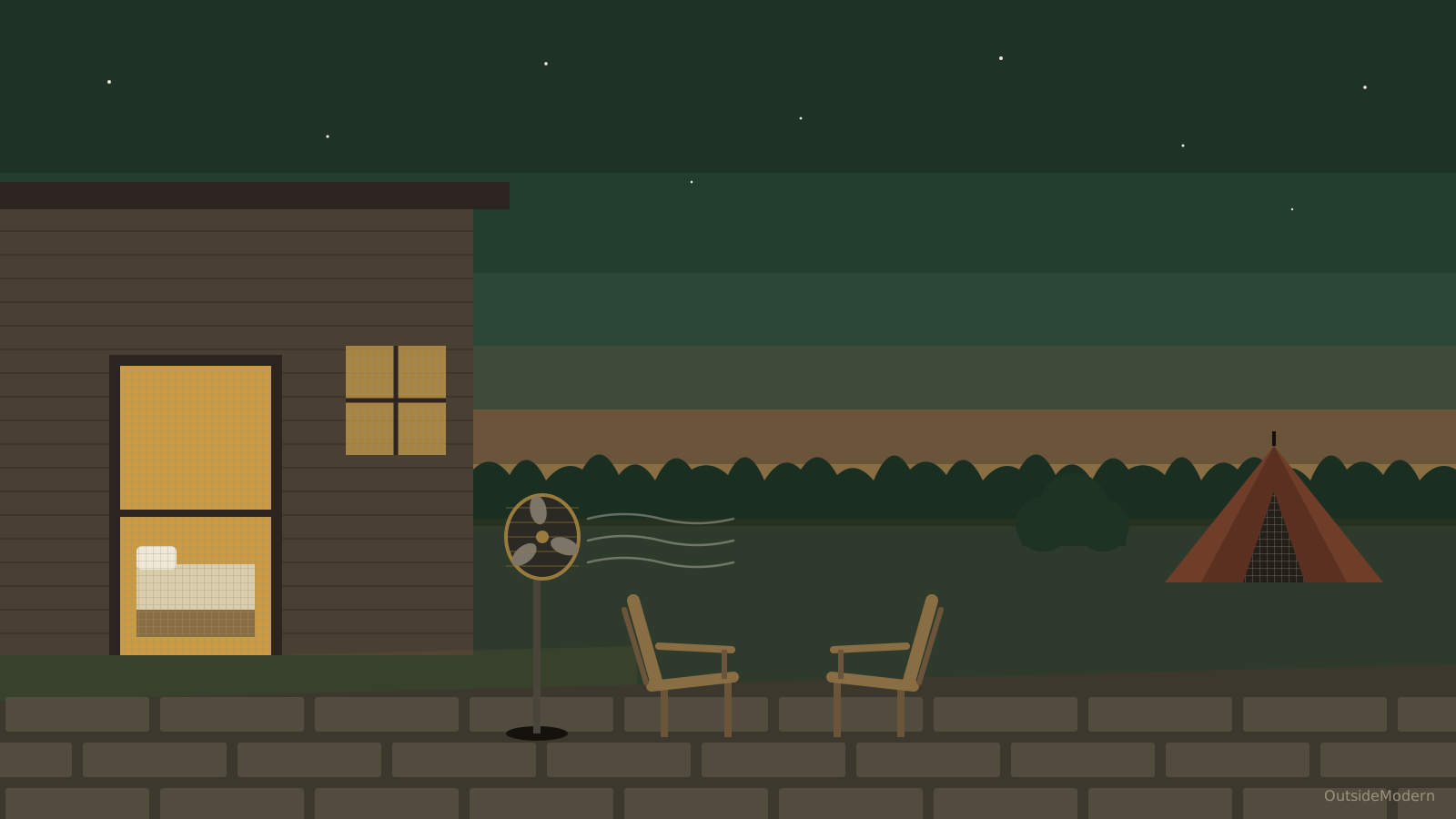
The warmer months of the year are the perfect time to sit outside and enjoy the great outdoors. We all love to relax in the evening, peacefully listening to the crickets chirping, a fire crackling in the fire pit, and lighting bugs flitting by. However, beautiful moments like this can easily be destroyed with the incessant buzzing of a mosquito.
The good news is that a handful of plain, well-tested habits do most of the work: a repellent on your skin, screens, a fan, and a weekly hunt for standing water. Below, we sort what helps by where you are at night: the patio, the bedroom and the campsite. For the bigger picture on cutting mosquitoes in a whole yard, see our hub guide to the best mosquito killer.
What’s changed in this update: we regrouped the tips by place, put the methods the CDC recommends first, and moved the weaker ideas (citronella, plants, bat houses, zappers and ultrasonic gadgets) into one honest section. We also cut two tips that didn’t hold up.
Why Mosquitoes Find You at Night
Not every mosquito keeps the same hours. According to the CDC, Culex quinquefasciatus usually bites after sunset, with a peak “between 10 and 11 p.m.” The Aedes mosquitoes bite mainly by day and at dawn and dusk, but the CDC notes they can bite at night too. Penn State Extension sums it up: the peak feeding times are “usually dusk to dawn.”
Besides itchy bites, mosquitoes carry disease. The CDC calls West Nile virus the “leading cause of mosquito-borne disease in the contiguous United States,” and also notes that most people infected with it have no symptoms. If you have health questions, the CDC and your doctor are the places to go.
If you think about it, mosquitoes are way scarier than, say, great white sharks, but we don’t think of the little buggers when we think of super scary creatures.
How do they find you in the dark? The University of Florida’s extension service puts it simply: “Female mosquitoes are attracted to carbon dioxide,” and its list of attractants includes your breath and warm temperatures. That’s why some of the best tricks below work by hiding you, blowing your scent away or keeping a barrier between you and them.
Quick Answer: What Actually Works
- Put an EPA-registered repellent (DEET, picaridin, IR3535, OLE, PMD or 2-undecanone) on exposed skin, and follow the label.
- Keep screens on windows and doors, repair the holes, and use air conditioning if you have it.
- Sit in a fan's breeze on the patio.
- Once a week, empty and scrub, turn over, cover or throw out anything that holds water.
- Wear long sleeves and long pants, and at camp, wear clothing and gear treated with permethrin.
On the Patio
Put Repellent on Skin First
The old version of this article called body spray a “last resort.” We had that backwards. A repellent on your skin is the first thing the CDC recommends, and it works wherever you are.
The CDC recommends EPA-registered repellents with one of six active ingredients: DEET, picaridin (called icaridin outside the US), IR3535, oil of lemon eucalyptus (OLE), para-menthane-diol (PMD) or 2-undecanone. The EPA’s repellent search tool lets you filter by active ingredient and how long protection lasts. Whatever you pick, follow the label: as the EPA puts it, the label is the law.
A few CDC rules worth knowing:
- If you’re wearing sunscreen, “apply sunscreen first and insect repellent second.”
- “Do not apply repellent on the skin under clothing.”
- “Do not use products containing OLE or PMD on children under 3 years old.”
- For kids, adults spray their own hands and apply it to the child’s face, and never to a child’s hands, eyes, mouth, cuts or irritated skin.
Our pick for a summer evening is OFF! Deep Woods VIII Dry, a 25% DEET aerosol (EPA Reg. No. 4822-572) with a dry, powdery feel from added cornstarch. OFF!’s label claims mosquito protection for up to 8 hours. The listing below is a 2-pack of 4 oz cans.
It has real drawbacks. The label says it can damage some synthetic fabrics, plastics, leather and painted surfaces, so keep it off your sunglasses and the patio furniture. The cornstarch can leave a white residue. And it’s an aerosol marked “EXTREMELY FLAMMABLE,” with a label warning: “Do not expose treated surfaces near fire or flame until dry.” Spray up away from the fire pit, the torches and the chiminea, and let it dry before you sit down near a flame. When you head inside, the label says to wash treated skin with soap and water.

OFF! Deep Woods Insect Repellent Aerosol, Dry, Non-Greasy Formula…
Two 4 oz cans of OFF! Deep Woods Insect Repellent Aerosol protect against mosquitoes
What we like
- 25% DEET, one of the CDC's recommended active ingredients
- Dry, non-greasy feel (per OFF!)
- Label also lists ticks, chiggers and biting flies
- Up to 8 hours against mosquitoes (OFF!'s label claim)
Worth noting
- Extremely flammable aerosol: keep away from flames until dry
- Can leave a white cornstarch residue
- Can damage some synthetics, plastics and painted surfaces
- Adults must apply it for children
Sit in a Fan’s Breeze
A fan is one of the cheapest things you can do on a patio. In a 2003 field study in the Journal of Medical Entomology, wind from a fan “strongly reduced mosquito catches,” and the researchers recommended fans for the backyard. The effect came mostly from “diluting attractants,” meaning the breeze scatters the carbon dioxide and scent mosquitoes follow to find you.
So it isn’t about blowing them out of the sky. Point the fan so the airflow crosses the place where you sit, and you’ll get the benefit along with a cooler evening. The University of Maryland Extension gives the same advice: sit in the fan’s airflow.
See our articles on outdoor pedestal fans and outdoor ceiling fans for more ideas.
An Area Repellent for Sitting Still
If you’d rather not spray yourself every evening, an area repellent is the other option for a group sitting still on a calm night. Our pick is the Thermacell E55 E-ZoneGuard Patio, a rechargeable unit that gently heats a liquid cartridge of metofluthrin, a pyrethroid insecticide. Thermacell says it creates a 20-foot zone within 15 minutes and runs 5.5 hours per charge. The box comes with one 12-hour cartridge, and you’ll keep buying refills after that.
This is a registered pesticide, so the label rules apply. Per the EPA-accepted label for Thermacell’s rechargeable repellers, it’s EPA Reg. No. 71910-11; check the number on your package, since refills sold separately may carry a different one. The label’s key lines:
- “RESTRICTION: FOR OUTDOOR USE ONLY.” and “Only use outdoors. Do not cover.”
- “CAUTION: Harmful if swallowed.”
- “Do not apply to water.” Thermacell’s safety data sheet adds that it’s “toxic to fish and aquatic invertebrates,” so keep it away from ponds.
- “The refill wick will get hot while in use. Always allow to cool before handling.”
Don’t pair it with the fan. Thermacell’s own label says effectiveness “can be impacted by wind and air movement,” and the University of Maryland Extension advises against using a fan with a device like this. Pick one or the other for a given spot. Thermacell backs its battery-powered repellers with a two-year warranty, or three if you register the unit.
Thermacell E55 E-ZoneGuard Patio
Rechargeable outdoor area repeller that heats a 5.5% metofluthrin cartridge; Thermacell claims a 20-foot zone and 5.5 hours per charge.
Dump Standing Water Every Week
Stagnant water invites mosquitoes to your yard. Small pools of stagnant water are all that is needed for mosquitoes to breed and lay their eggs, which will only cause their population to grow. Even a little plastic cup, left outside after a rainstorm, can become a mosquito breeding ground! It doesn’t take much.
The CDC’s routine is simple: “Once a week, empty and scrub, turn over, cover, or throw out any items that hold water.” The timing matters. The CDC says a mosquito egg takes 7 to 10 days to become an adult, so a weekly sweep catches the water before a new batch can fly.
Look for buckets left outdoors, tires, toys, planters, flowerpot saucers, kiddie pools, trash can lids and birdbaths. For a birdbath you want to keep full, Penn State Extension says to change the water at least once a week “by flushing with a hose.” A solar fountain keeps the water moving, which Penn State says can reduce breeding, but it still needs that weekly change.
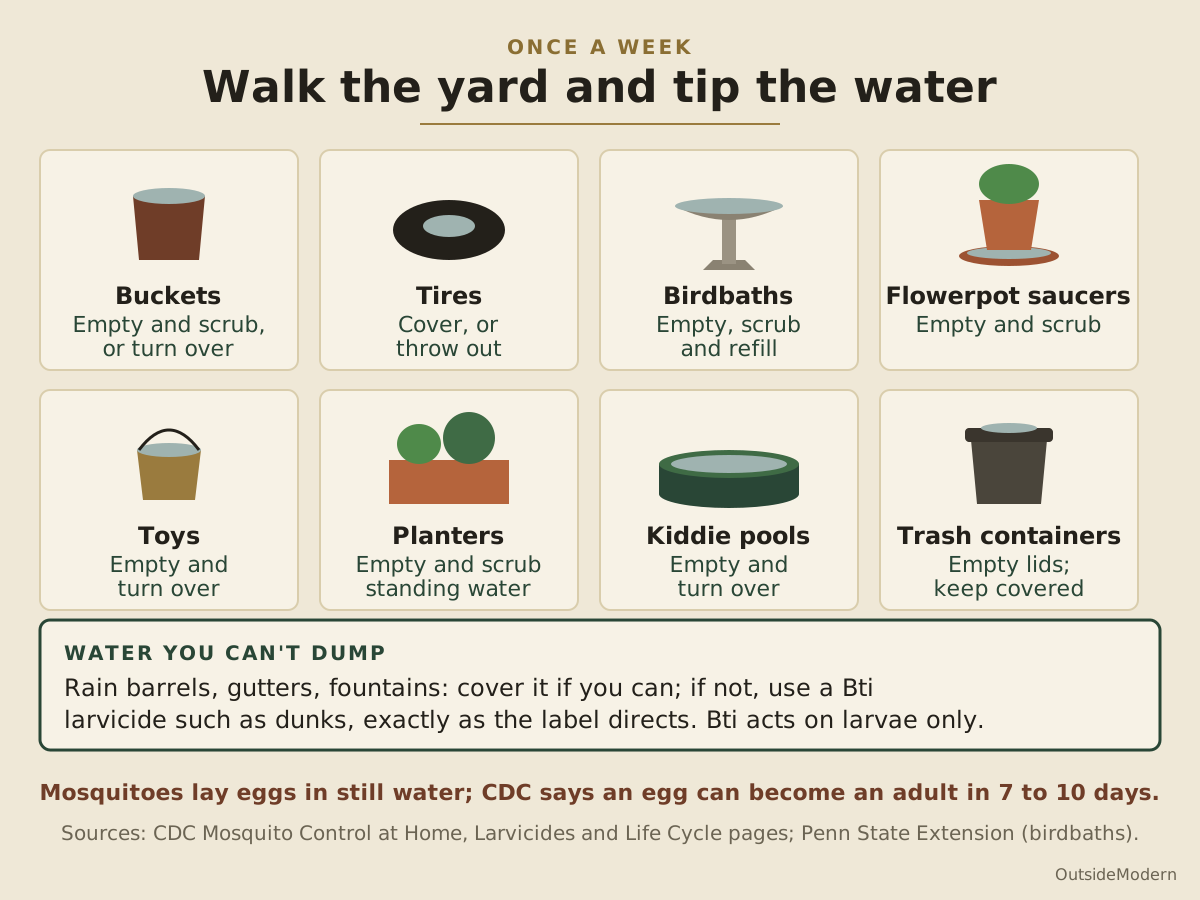
For water you can’t dump, such as rain barrels or an ornamental pond, the CDC points to larvicides for water that “cannot be covered, dumped, or removed.” Bti dunks are the common choice. They act on larvae only, so they won’t touch the adults biting you tonight, and the CDC’s rule is “Do not apply more than directed.” We cover dunks in our mosquito killer guide, linked above.
Swap the Porch Bulb
Penn State Extension suggests “replacing outdoor lights with yellow ‘bug’ lights that attract fewer insects.” That cuts the swarm of moths and gnats around the porch light. Don’t expect it to fix mosquitoes, though. They find you by your breath and body heat, not by the light.
An amber LED like the Solray A19 bug bulb is the kind of thing to look for. We aren’t linking it this time because the seller doesn’t publish a safety listing or a damp-location rating. Whatever amber bulb you buy, check the box for a UL or ETL listing and a damp or wet rating for an outdoor fixture.
Torches and Oil Lamps: Light, Not Protection
Earlier versions of this article said eucalyptus lamp oil beats citronella against mosquitoes. That misread the research, and we’ve taken it out. The 2017 study behind it (Rodriguez and colleagues, in the Journal of Insect Science) tested skin repellents and wearable devices, plus a single citronella candle, in a wind tunnel. It tested no torch and no eucalyptus fuel. The oil of lemon eucalyptus on the CDC’s list is a skin repellent, not the eucalyptus scent in a bottle of lamp oil.
As for citronella, independent tests of citronella candles found little effect, and the CDC’s recommended repellents don’t include citronella. University of Maryland Extension reports that “citronella candles had no effect on mosquito attraction,” and UW-Madison found “relatively small reductions.” So enjoy tiki torches and oil lanterns for the light, and use an EPA-registered repellent on skin if mosquitoes are a problem.
If you like a eucalyptus scent, Firefly CLEAN Lamp Oil in Eucalyptus is a lamp oil, sold without any mosquito claim. Firefly says it burns smokeless only with small round wicks of 1/4 inch or less; in tiki torches it will produce some smoke. It isn’t part of the CPSC recall 25-434, which covers only Firefly Safe & Green 32 oz.

Firefly Fuel Clean Fuel Eucalyptus Lamp Oil - Smokeless, Virtually Odorless…
CLEAN-BURNING & VIRTUALLY ODORLESS: Low-soot, smokeless flame for pleasant ambiance indoors or outdoors—no kerosene smell, no messy residue.
What we like
- Eucalyptus-scented lamp oil for torches and oil lamps
- Not part of CPSC recall 25-434
Worth noting
- No mosquito claim: it's a scent, not a repellent
- Not smokeless in tiki torches (per Firefly)
- SDS: may be fatal if swallowed and enters airways
Any torch fuel or lamp oil deserves respect. Firefly’s safety data sheet carries the warning “H304 May be fatal if swallowed and enters airways.” Poison Control notes that lamp oil “can easily be aspirated,” and that colored oil can look like a drink and clear oil like water. Store it locked up, out of reach of kids, and call Poison Control at 1-800-222-1222 if anyone swallows some; don’t make them vomit.
When you light up, follow the torch maker’s directions. TIKI says to keep torches out from under umbrellas and roofs and away from wood structures and dry plants, and never to refill a lit or hot torch: snuff the flame and wait 30 minutes for it to cool. See our guides to tiki torch fuels and tiki torch wicks for more.
Piñon Smoke
Piñon is our favorite wood for chimineas. It burns with a sweet, resinous fragrance, and many owners say the smoke helps with mosquitoes. We couldn’t find a study on piñon itself, though. Research on wood smoke in general shows partial protection, close to the smoke and against some mosquito species but not others. Burn a few pieces of piñon in a chiminea or fire pit for the scent, and treat any bug relief as a bonus.
Just don’t try to cook with it.
B&B Charcoal Piñon Mini Logs, 0.65 cu ft (18 lb)
An 18 lb, 0.65 cu ft bag of kiln-dried, 100% piñon pine mini logs for fire pits, chimineas, fireplaces and campfires; not for cooking.
What we like
- Kiln-dried 100% piñon in small pieces sized for chimineas
- Sweet, resinous scent
Worth noting
- No proof the smoke repels mosquitoes
- Not for cooking (per the maker)
Yard Sprays and Foggers
We don’t love this one, but we’d be remiss to leave it out. Yard sprays and foggers are pesticides, so read the whole label before you buy and follow it: the label is the law. The EPA notes that pyrethroids, common actives in these products, are toxic to fish and to bees, and Ohio State Extension advises against spraying plants while they’re in flower. Some “natural” essential-oil sprays are minimum-risk products that are exempt from EPA registration, and the EPA doesn’t review whether they work.
If you go this route, our guides to the best mosquito spray for the yard and the best mosquito fogger walk through the labels, the bee warnings and where to spray.
In the Bedroom
The CDC’s advice for indoors is short: “Use screens on windows and doors. Repair holes in screens to keep mosquitoes outdoors.” It also says to use air conditioning if you have it, which lets you keep the windows shut.
Check the screens every spring, patch any tears, and look for gaps around window air conditioners and under doors. If you like the door open on summer nights, a magnetic screen door or a retractable screen door lets the air in without the bugs.
A fan helps here too. No study we found tested bedroom fans, but the same logic applies: moving air scatters the carbon dioxide you breathe out. Aim it so the air crosses the bed.
If you sleep somewhere that isn’t well screened, such as a cabin, a sleeping porch or a trip abroad, the CDC’s travel advice is to “Sleep under a mosquito net if you are outside or in a room that is not well screened.” Pick one long enough to tuck under the mattress, and check it for holes. The CDC adds that permethrin-treated nets protect more than untreated ones.
And when one mosquito is whining in the room at 2 a.m.? Turn on a light, wait for it to land on a wall or ceiling, and swat it. It’s not science, but it works better than lying there plotting revenge.
At the Campsite
A tent is a screen room you carry with you, so treat its mesh the same way. The National Park Service says to make sure the screens on tent windows and doors “are in good working order,” and Penn State suggests inspecting tent screens every year for holes. Zip the mesh closed at dusk, not when you go to bed.
Where you can, pick a site away from ponds, marshy ground and still water. That’s our own advice rather than a published rule, but mosquitoes develop in water, so it makes sense to put some distance between you and their nursery.
Wear long sleeves and long pants. The CDC recommends “loose-fitting, long-sleeved shirts and pants,” and treated clothing takes it further. The CDC also says to “Wear clothing and gear treated with permethrin,” and adds, “Do not use permethrin products directly on skin.”
Our pick for treating clothes and gear is Sawyer Permethrin Fabric Treatment, a 0.5% permethrin trigger spray (EPA Reg. No. 50404-3-58188). The 24 oz bottle treats about five complete outfits, per the label, and Sawyer says one treatment lasts up to 6 weeks or 6 washings, whichever comes first.
It’s for clothing and gear only, never skin. The label is blunt: “This product is to be used as a clothing treatment only,” and “Under no circumstances should bare skin or clothing on the body be treated.” Spray clothes while they’re off, outdoors and out of the wind, and let them dry at least 2 hours (4 in humid weather), as the label directs. On a tent, the label says “Spray exterior surfaces of tent only,” and don’t treat the inside of a sleeping bag.
If you have a cat, take this part seriously. The label says, “Do not expose cats to wet permethrin as it affects their central nervous system,” and “Cats can be around permethrin treated fabrics once the application has dried.” Treat gear well away from your cat and let it dry completely before bringing it inside. The label also says to keep it out of storm drains, gutters and surface water.
Treated clothes cover only the fabric, so put an EPA-registered repellent on exposed skin too (see the patio section above). You can use a Thermacell at a campsite too, but only outdoors: the label says outdoor use only and do not cover, so never run it inside your tent.
What Doesn’t Work as Well as You’d Hope
Citronella Candles and Mosquito Plants
Citronella oil is on the EPA’s list of minimum-risk ingredients, which means citronella products can be sold without EPA registration, and the EPA doesn’t review whether they work. As we covered above, independent tests of citronella candles found little effect. Our citronella burner guide, linked above, covers them as patio lights.
Plants are the same story. UW-Madison Extension says the repellent compounds in plants like citronella geranium “are only released when the plant is crushed or processed into oils.” A pot of it beside your chair won’t do much. If you grow a citrosa geranium anyway, keep it away from pets: the ASPCA lists geraniums (Pelargonium) as toxic to cats and dogs. Our mosquito repellent plants article covers which plants are still worth growing for scent and the kitchen.
Bat Houses
We still love the idea of bat houses, just not as mosquito control. Bats do eat mosquitoes, but a 2013 peer-reviewed study (Gonsalves and colleagues, in PLoS One) found that “mosquitoes generally represent only a small proportion of bat diet.” The Coachella Valley Mosquito and Vector Control District says mosquitoes have made up less than 1% of the gut contents of wild-caught bats in the studies to date. We’ve also dropped the old “1,000 mosquitoes an hour” figure, which doesn’t hold up.
Put up a bat house because bats need roosts and it’s a fun habitat project, and treat any mosquitoes they eat as a bonus. The Looker Triple Chamber Bat House is a three-chamber cedar house built to the Organization for Bat Conservation design. Bats may not move in, and where you mount it (sun, height and location) makes the difference. Our bat house guide covers placement.
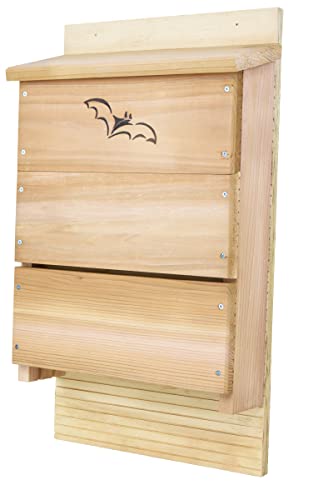
Looker Products Triple Chamber Bat House…
80% success rate of attracting bats compared to the competition
What we like
- Three chambers for a large colony
- Cedar build
- Organization for Bat Conservation-style design
Worth noting
- Not mosquito control
- Occupancy isn't guaranteed
- Needs a pole or building mount
Bug Zappers and Traps
Bug zappers kill plenty of insects, just not many mosquitoes. In a classic 1996 study of suburban yards, only 31 of 13,789 insects killed by zappers were biting flies, about 0.22%. Penn State Extension says research “has shown that they kill few mosquitoes.”
The DynaTrap DT2000XLPSR fan trap this article used to recommend is no longer on the maker’s store; DynaTrap now sells LED models such as the DT2030. If you buy any plug-in trap or zapper, look for a UL, ETL or CSA listing, plug it into a GFCI-protected outdoor outlet, and hang it away from where people sit. Our bug zapper guide compares zappers, fan traps and lures.
Ultrasonic Repellers
The plug-in gadgets that claim to drive mosquitoes off with sound don’t have the evidence behind them. The FTC sent warning letters to more than 60 makers and sellers of ultrasonic pest devices in 2001, and in 2002 it alleged that the claims for one mosquito device were false. UW-Madison says sound devices “are not supported by scientific evidence.” See our ultrasonic pest repeller guide for the full story.
Two Tips We Cut
The old version of this article suggested burning used coffee grounds, and boiling red cedar mulch into a homemade spray. We found no good evidence for either. A homemade bug spray is also a pesticide made without a label, so we’ve removed both. A sprinkle of coffee grounds in standing water is out too: the study behind it was a lab test of concentrated coffee extract, and it never tested grounds in a yard. Dumping the water weekly is the CDC’s advice.
Frequently Asked Questions
What time of night do mosquitoes bite?
It depends on the species. The CDC says Culex quinquefasciatus usually bites after sunset, with a peak between 10 and 11 p.m., while Aedes mosquitoes bite mostly by day and at dawn and dusk but can bite at night too. Penn State Extension puts the peak feeding times at dusk to dawn.
Does sleeping with a fan keep mosquitoes away?
A fan helps, but it’s no guarantee. Field research found fan wind strongly reduced mosquito catches, mostly by scattering the carbon dioxide and scent mosquitoes follow. That study was in a backyard, not a bedroom, so pair a fan with good screens.
Which mosquito repellent should I use at night, and how do I use it on kids?
The CDC recommends EPA-registered repellents with DEET, picaridin, IR3535, oil of lemon eucalyptus (OLE), PMD or 2-undecanone. Follow the label. The CDC says not to use OLE or PMD on children under 3, and adults should apply repellent to their own hands and then to a child’s face, never to a child’s hands, eyes or mouth.
Does citronella keep mosquitoes away?
Not much. Independent tests of citronella candles found little effect, and citronella isn’t on the CDC’s list of recommended repellents. The EPA treats citronella as a minimum-risk ingredient and doesn’t review whether those products work.
Do bug zappers or ultrasonic repellers help?
Not against mosquitoes. In one study, biting flies made up about 0.22% of the insects zappers killed, and the FTC has warned makers of ultrasonic pest devices about unsupported claims. A fan, screens and a skin repellent do far more.
The Bottom Line
Mosquitoes are a part of nature that can’t fully be avoided. But you don’t need a shed full of gadgets. Put an EPA-registered repellent on exposed skin, sit in a fan’s breeze, keep your screens in good shape, and dump standing water once a week. At camp, add treated clothing and a closed tent.
For the full rundown on yard methods, from larvicide dunks to traps and sprays, see our mosquito killer guide, linked at the top of this article.
Previously recommended
- DynaTrap DT2000XLPSR — no longer on the maker’s store; see our bug zapper guide for current traps.
- Clovers Garden citrosa geranium — moved to our mosquito repellent plants article, since growing it doesn’t repel mosquitoes on its own.
- Wondercide yard spray — now covered on our yard spray page.