How to Save on Patio Furniture: Floor Models, Sets and Care
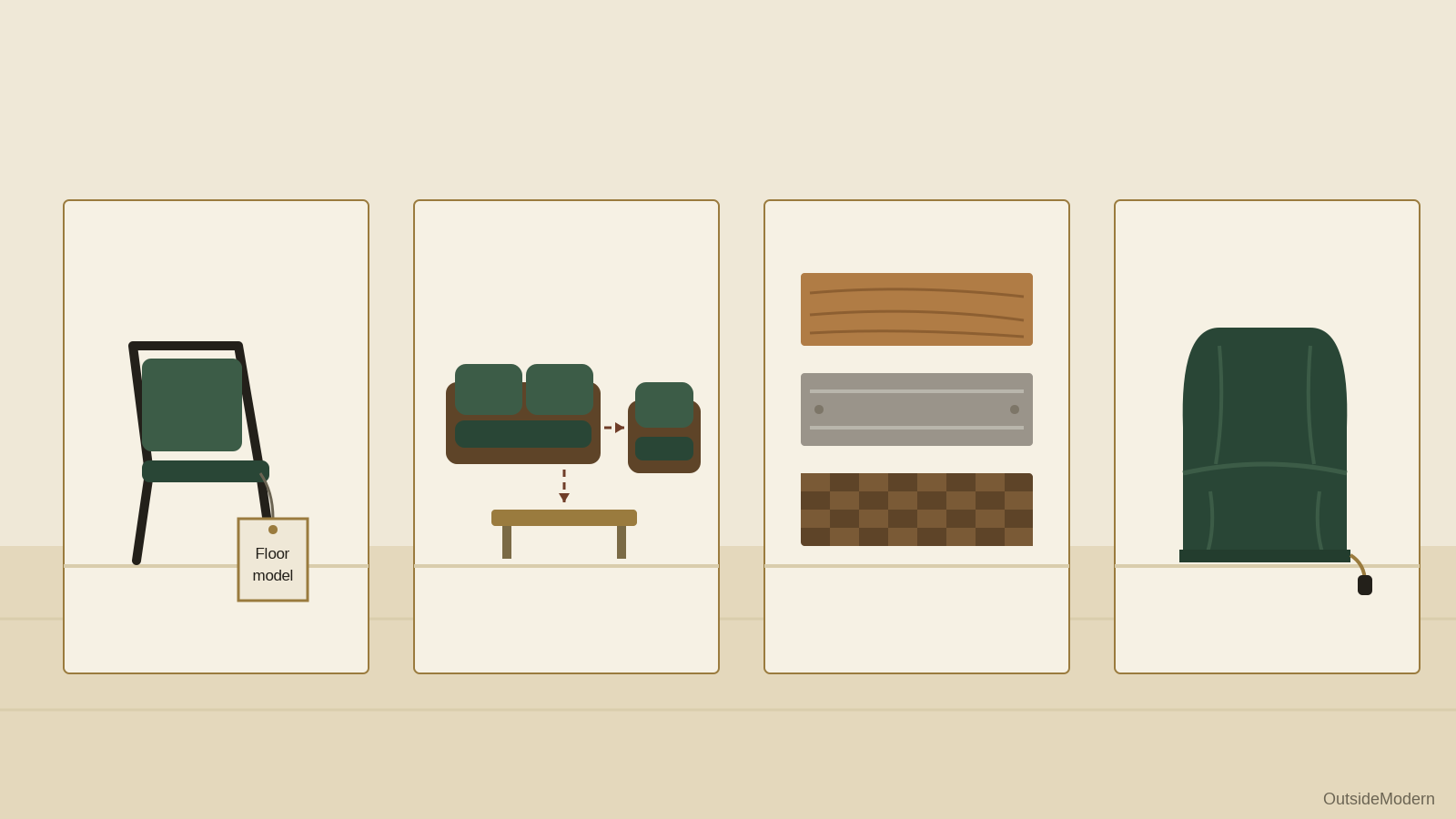
Patio furniture is a seasonal buy, and that works in your favor if you’re patient. But the best deals aren’t always the ones with the biggest markdown sticker. A set you have to replace after a few seasons costs more than one bought once.
So this guide is about how to save, not a list of this week’s markdowns (prices change too fast for that). Here’s the short version:
- Time it: end-of-season clearance and off-season shopping, covered in depth on our timing page.
- Ask about floor models and last season’s collection, and read the return terms first.
- Buy a set only if you’ll use every piece; otherwise buy the pieces you need.
- Compare delivered cost and return terms, not just the listed price.
- Pay for a frame that suits your climate, then make it last with cushions, covers and care.
- Read the warranty and ask the maker for parts before you replace a whole set.
Time It Right
Timing gets its own page, so we’ll keep this brief. NerdWallet puts the main outdoor furniture markdown window between the Fourth of July and the end of September, “with the steepest markdowns after Labor Day.” Markdowns deepen as the season winds down, but what’s left shrinks too.
Off-season shopping can work as well: Castlery lists off-season clearance for November and December, and Rooms To Go points to New Year’s and Presidents’ Day sales on last season’s pieces. Selection is thin by then. If selection matters more than savings, new collections usually arrive between mid-March and mid-April (NerdWallet). For the month-by-month detail, see the best time to buy patio furniture.
Ask About Floor Models and Open-Box Pieces
Showroom pieces are worth asking about, but go in knowing the terms. Living Spaces says its floor models and as-is items “can only be purchased in-store,” that delivery isn’t available for them, and that its return policy excludes them. Fortunoff Backyard Store says its as-is goods are “generally sold off the showroom floor at a reduced price,” and that there are no cancellations or returns on clearance or as-is merchandise.
In other words, expect to haul it home yourself and to own it once you pay. Living Spaces’ own advice is to inspect clearance items closely for damage. Check the frame, welds, finish and any glass before you hand over a card, and bring a tape measure and a vehicle that fits.
Some sellers also sell open-box pieces (returned or unboxed stock). Terms vary by store, so check what the listing says about condition, warranty and returns before you buy.
Look at Last Season’s Collection
Clearance stock is often simply last year’s look. Patio Productions says clearance pricing “is usually for discontinued colors, finishes or models,” and Fortunoff says its clearance items have been discontinued.
That’s fine if you’re buying everything you need at once. The catch comes later: if you want to add a matching chair next year, it may not exist. Before you buy a discontinued collection, check that replacement cushions and parts are still sold for it.
Buy a Set Only If You’ll Use Every Piece
Living Spaces sums up the trade-off well: sets “make it easy to create a coordinated seating area right away,” while individual chairs give you “more freedom to mix styles, add pieces over time.” Some retailers say a set costs less than the same pieces bought separately, and that may be true for their own sets. It isn’t a rule.
The test is simple. Add up only the pieces you’d actually use, and compare that with buying those pieces on their own. A five-piece set with two chairs you’ll stack in the garage isn’t a bargain. If a set does fit your space, our patio conversation sets roundup is a good place to start.
Compare Like for Like, Delivered
Patio furniture is bulky, so the listed price is rarely the whole story. Compare prices with delivery included. Retailers do this themselves: Lowe’s says its price guarantee compares “the price of the item(s) plus shipping or delivery cost.”
Returns matter just as much on a big box. POLYWOOD, for example, says “Returns within 30 days of delivery are free in the contiguous U.S.,” while later returns may incur restocking and return shipping fees. Living Spaces gives seven days and excludes floor models and as-is pieces. Check who pays return shipping before you order.
Some stores will match a competitor’s price on an identical item, but read the exclusions. Lowe’s matches a current lower price on an identical in-stock item from another local retailer, and excludes discontinued, used, refurbished, open-box, clearance, seasonal, closeout or damaged merchandise as well as holiday promotions such as Black Friday. Don’t assume a store will refund the difference if the price drops after you buy; ask.
Pay for Materials That Last
The cheapest way to own patio furniture is to buy it once. That means a frame that suits your climate, not just the lowest sticker. Our outdoor furniture materials guide goes deep, but the basics:
- Aluminum resists rust, though it can pit or chalk, and steel fasteners can still rust. Most aluminum frames are powder-coated; touch up chips with the maker’s touch-up paint.
- Powder-coated steel is strong, but it rusts wherever the coating is scratched or chipped, so touch up damage promptly (Homecrest).
- Teak and other hardwoods: the USDA Forest Products Laboratory rates old-growth teak heartwood very decay resistant and young-growth teak only moderately resistant. “Grade A” isn’t an official grade; sellers use it to mean heartwood from mature trees.
- Resin wicker, “all-weather” and “marine-grade” mean only what the maker says they mean. Look for the maker’s own statement of the material, and see our wicker and rattan guide for the differences.
Brand matters too, mostly because of warranty and parts support. Our patio furniture brands guide compares the makers.
Plan for Cushions
Cushions usually carry far shorter warranties than frames. POLYWOOD’s residential warranty, for example, covers frames for 20 years but cushions for 30 days from purchase and fabric for one year. So before you buy, check that removable covers and replacement cushions are sold for that set.
Care helps them last. Sunbrella says some removable casings can go in the washing machine, but to “consult the furniture manufacturer before removing the casing,” and that its fabric “should only be allowed to air dry.” Sunbrella also notes its fabrics don’t promote mildew, but mildew can grow on dirt left on them, so brush them off early. Bring cushions in when it rains or when you’re not using them. If you’re replacing them, our outdoor cushion buying guide covers fill and fabric.
Care That Adds Years
A little care is the cheapest upgrade you can make.
Covers. A fitted cover helps, but take the cushions out first and make sure everything is dry. Classic Accessories’ care instructions say to “remove all cushions to avoid possible mildew before covering your furniture” and “Do not pack wet. Air dry.” Call a cover waterproof only if its maker does. For sofas and sectionals, see our patio sofa covers guide.
Winter. POLYWOOD says its HDPE frames can stay outside and uncovered year-round, but store unused cushions in a dry place. For other materials, follow your maker’s care page.
Mildew. Mildew is a thin, usually black or white growth produced by mold, and it needs moisture to grow (University of Missouri Extension). Start with mild soap and water, and read and follow the label on any cleaner (CDC). Never mix bleach with ammonia or any other cleaner (CDC); mixing bleach with an acid, including vinegar, gives off chlorine gas (Washington State Department of Health). Our mildew removal guide has the full method.
Teak. Untreated teak weathers to silver-gray, and Westminster Teak says the change doesn’t compromise its structure, so sealing is optional. If you oil or seal it, follow the label, and remember that rags soaked in oil finishes can heat up as they dry and catch fire (Seattle Fire Department): dry them flat or hung outdoors, away from buildings, then store them in a metal can with a tight lid filled with water and detergent. Our teak sealer guide covers the products.
Wind. Lightweight furniture and umbrellas are the first things to move. When a high wind or severe thunderstorm watch is issued, secure or put away outdoor items (National Weather Service), and close umbrellas in any high wind, as umbrella maker Frankford advises. No weight makes furniture wind-proof; our patio furniture weights guide covers securing options, and a deck box keeps cushions dry between uses.
Read the Warranty
A long frame warranty rarely covers cushions or fabric for long, and it may exclude more than you expect. POLYWOOD’s residential warranty, for example, covers frames for 20 years, metal welds, joints and finish for five years, and excludes “Rust or corrosion of steel frames” and “Fading, color change or color match.” It runs to the original purchaser, and claims need a serial number or proof of purchase.
Keep the receipt and note the serial number when the furniture arrives.
Before you replace a whole set, ask the maker for parts. POLYWOOD, for one, says it will help set up an order for replacement slats, table legs, chair arms and slings even when the replacement isn’t covered under warranty, and that for discontinued products it may substitute materials of equal value or quality. Find the serial number sticker first.
Buying Used
Secondhand furniture can stretch a budget, but do some homework. Before you pay, search the brand and model on CPSC’s recall list and on SaferProducts.gov, which lets you search to see if a product is unsafe before you buy. Then check the frame, welds and any glass for damage, and ask for the brand and serial number so you can find parts and cushions later.
Frequently Asked Questions
Is it cheaper to buy a patio set or individual pieces?
Not necessarily. Some retailers say their sets cost less than the same pieces bought separately, but there’s no general rule. Add up only the pieces you’d actually use and compare that with buying those separately; a set wins on value only if you’d use every piece.
Are floor models and open-box patio furniture worth it?
They can be, if you accept the terms. Living Spaces sells floor models in-store only, without delivery or returns, and Fortunoff Backyard Store takes no returns on as-is merchandise. Inspect the frame, welds and finish closely, and for open-box pieces read the listing’s condition, warranty and return terms.
Is it worth buying used patio furniture?
It can be, with some homework. Check the brand and model against CPSC’s recall list and SaferProducts.gov first, inspect it for damage, and get the brand and serial number so you can order parts or cushions.
Should I replace the cushions or the whole set?
If the frame is sound, start with the cushions. Makers warrant cushions for far less time than frames (POLYWOOD: 30 days against 20 years), and some, POLYWOOD included, sell replacement cushions and parts.
When is patio furniture cheapest?
NerdWallet points to late summer into September, with the steepest markdowns after Labor Day, though selection shrinks as the season ends. See our timing guide for the full calendar.
The Bottom Line
The biggest savings come from timing, buying the right piece once and making it last. Shop the end of the season or ask about floor models, but read the return terms first. Buy only the pieces you’ll use, compare delivered prices, and pick a frame that suits your climate. Then cover it dry, bring the cushions in, and ask the maker for parts before you give up on it.